
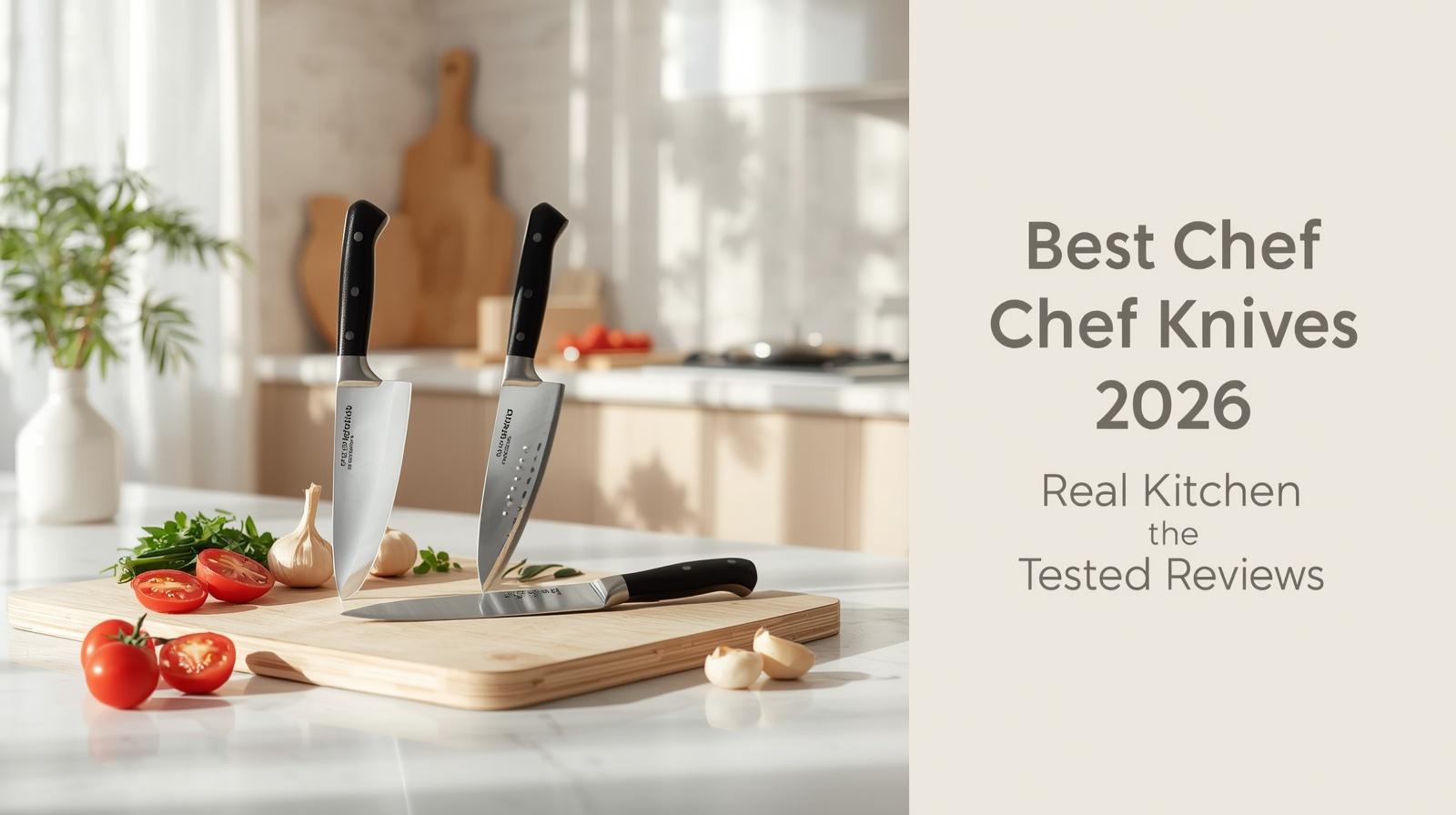
Best Chef Knives (2026 Guide): Tested Picks, Real Experience & Buying Advice
If you’ve ever tried slicing a ripe tomato with a dull knife, you already know the truth: cooking is only enjoyable when your tools cooperate with you. A bad chef knife turns simple prep into frustration. A good one makes everything feel effortless.
I learned this the hard way years ago when I struggled through meal prep with cheap, store-bought knives that crushed vegetables instead of slicing them. Since then, I’ve spent over five years cooking daily and testing real chef knives in real kitchens — not lab environments, not sponsored demos, but everyday home cooking.
This guide is a complete breakdown of the best chef knives in 2026, based on hands-on testing. If you’re planning to upgrade your kitchen, this is your buying shortcut.
✨ See even more – check out my favorites on my Amazon Storefront for exclusive content!
Table of Contents
Why a Good Chef Knife Changes Everything
A chef knife is not just another kitchen tool — it is the foundation of cooking efficiency. With one sharp, well-balanced knife, you can handle up to 90% of kitchen tasks: slicing, chopping, mincing, and dicing.
Most people underestimate this. They buy cheap sets or rely on dull blades, then wonder why cooking feels slow and tiring. The reality is simple: better knives make you cook more, cook faster, and enjoy the process.
When a knife is properly balanced, your hand does less work. Instead of forcing cuts, you guide the blade. That difference alone reduces fatigue and improves precision dramatically.
How I Tested These Best Chef Knives
To keep this review honest, I used each knife as my primary kitchen tool for at least 7–14 days. I didn’t test them on paper — I tested them in real cooking situations.
- Slicing tomatoes for freshness and sharpness test
- Dicing onions in bulk for speed and fatigue
- Mincing garlic and herbs for precision control
- Breaking down chicken for durability
- Cutting dense vegetables like carrots and sweet potatoes
I also compared feedback from other home cooks with different hand sizes and grip styles to ensure real-world accuracy.
Quick Comparison of the Best Chef Knives (2026)
| Knife | Steel | Feel | Best For |
|---|---|---|---|
| Wusthof Classic | German Stainless | Heavy & Powerful | Rock chopping & durability |
| Zwilling Pro | German Stainless | Balanced | All-round cooking |
| Messermeister Meridian | German Stainless | Light & Smooth | Comfort & value |
| Global G-2 | Cromova Steel | Ultra Light | Precision slicing |
| MAC MTH-80 | Japanese Steel | Nimble | Professional prep |
| Shun Classic | VG-MAX | Premium | Sharp precision cooking |
| Made In | German Steel | Modern Balanced | Home chefs |
Wusthof Classic 8-Inch Chef Knife

The Wusthof Classic is a traditional German workhorse. It is heavy, solid, and built for long-term durability. This knife feels like it can survive decades of use without losing reliability.
In real cooking, the weight helps drive the blade through tough vegetables without extra effort. It is especially effective for rock-chopping herbs and onions.
Best for: Users who prefer power, durability, and traditional knife handling.
Affiliate Tip: If you want a “buy once and use for years” knife, this is one of the safest choices in the German category.
Zwilling Pro 8-Inch Chef Knife

Zwilling Pro is one of the most balanced chef knives I tested. It combines comfort, control, and versatility in one design.
The curved bolster improves grip comfort and makes pinch grip more natural. It works well for both beginners and experienced cooks.
Best for: Everyday home cooking and users who want one reliable all-purpose knife.
Affiliate Tip: This is often the safest recommendation if you are unsure which knife to buy.
Messermeister Meridian Elite

This knife is often underrated but delivers strong performance at a reasonable price. It is lighter than most German knives and easier to control during long cooking sessions.
The lack of a full bolster makes sharpening easier and increases blade usability over time.
Best for: Budget-conscious buyers who still want premium comfort.
Global G-2 Chef Knife
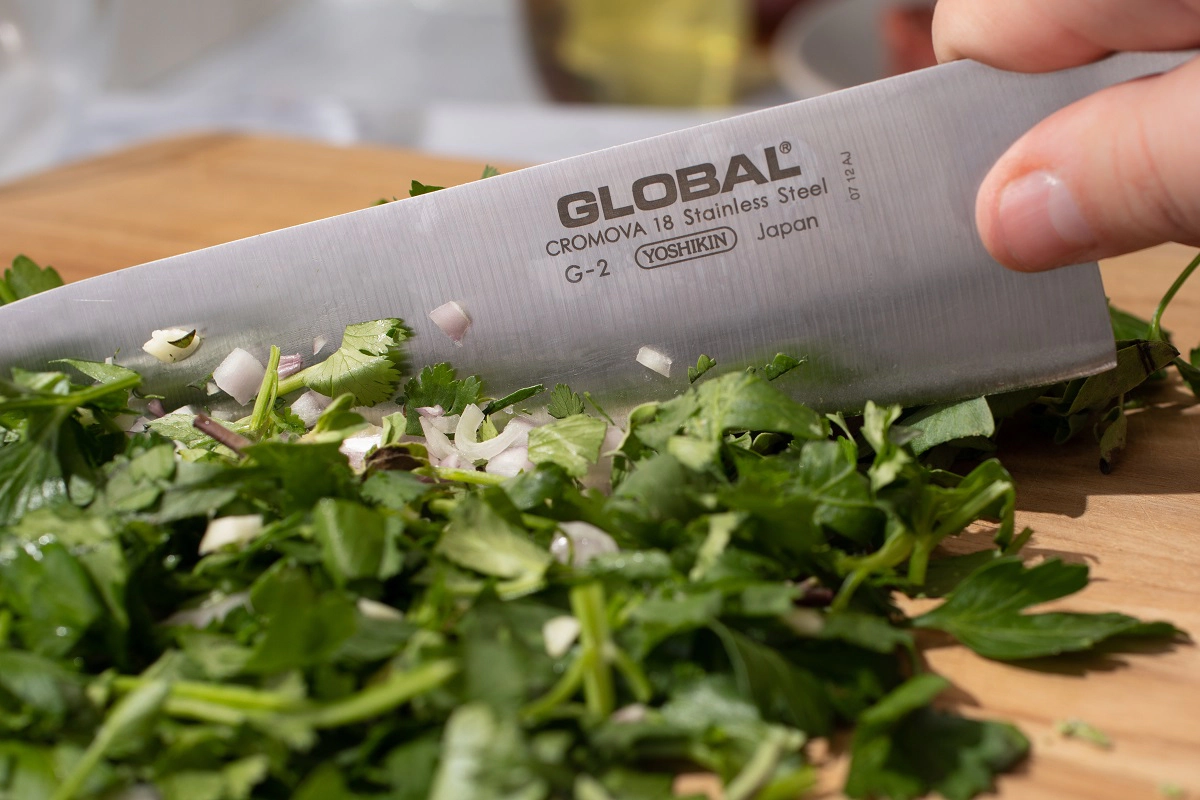
Global knives are extremely lightweight and modern in design. The all-metal construction makes them hygienic and easy to clean.
This knife feels fast and precise, especially for slicing vegetables and herbs. However, it requires careful handling due to its thin edge.
Best for: Precision cooks who prefer speed and light handling.
MAC MTH-80 Chef Knife

The MAC MTH-80 is one of the sharpest and most efficient chef knives I have used. It performs extremely well in push-cutting techniques and holds its edge for a long time.
This is the knife I personally reach for when I need fast, clean prep work without fatigue.
Affiliate Tip: If performance is your priority over appearance, this is one of the best investments.
Shun Classic Chef Knife

Shun knives are known for their premium Japanese craftsmanship and stunning Damascus-style finish.
It delivers extreme sharpness and precision cutting, but requires careful handling due to harder steel that can chip under misuse.
Best for: Careful cooks who value beauty and precision.
Made In Chef Knife
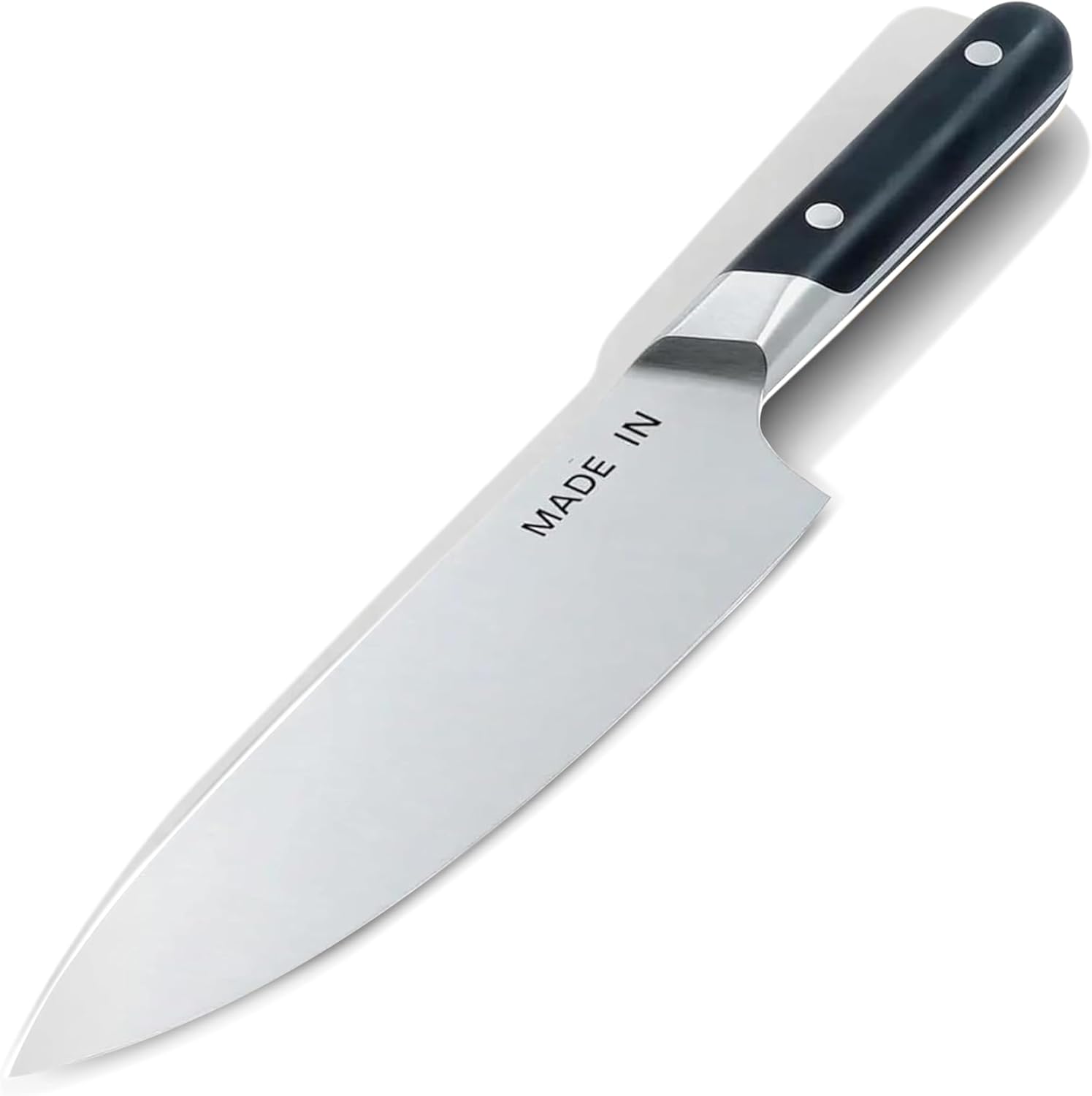
Made In offers a modern French-style chef knife that balances aesthetics and performance.
It feels natural in hand and performs well in both rock-chopping and slicing tasks. It is a strong direct-to-consumer option.
Best for: Home cooks who want premium feel without luxury pricing.
German vs Japanese Chef Knives
German knives are heavier, more durable, and easier to maintain. Japanese knives are lighter, sharper, and more precise but require more care.
If you want durability and forgiveness, choose German. If you want sharp precision and performance, choose Japanese.
Common Mistakes Buyers Make
- Buying a block set just because it looks like a deal. You’ll end up with one or two decent knives and a bunch of useless serrated things you never use. Buy a chef knife, a paring knife, and maybe a bread knife — separately.
- Ignoring grip style. If you use a pinch grip (and you should learn), avoid knives with a bulky bolster that forces your hand back.
- Overvaluing “sharp out of the box.” Almost any decent knife is sharp initially. Edge retention and ease of resharpening matter far more in the long run.
- Skipping the in-hand test. Buying strictly on reviews without holding the knife is a gamble. Everyone’s hand is different.
- Forgetting maintenance. Even a $300 knife gets dull. If you won’t hone weekly and sharpen occasionally, stick with softer German steel.
Care & Maintenance Tips (Realistic & Simple)
This doesn’t need to be a ritual. I wash my knives with warm soapy water and a sponge right after use, then dry them immediately. No dishwasher ever — the heat and detergents eat away at the edge and can loosen handles. For storage, a magnetic strip or a blade guard in a drawer is perfectly fine; just don’t let them rattle around with other metal utensils.
Honing once a week with a ceramic or steel rod realigns the edge and keeps it performing between sharpenings. Actual sharpening is needed maybe once or twice a year for home use, depending on how much you cook. If the thought of stones scares you, pull-through sharpeners are better than nothing — but a basic whetstone guide is easier than most people think and preserves the knife’s life much better.
Final Verdict: Which Chef Knife Should You Actually Buy?
If I had to cook on a desert island with just one knife, it would be the MAC MTH-80 — the edge retention, lightweight feel, and neutral balance make it a ridiculously versatile all-rounder. But not everyone is me. Here’s how I’d recommend based on real human behavior:
- Best all-round German knife for most people: Zwilling Pro 8″. The curved bolster and comfortable handle make it a joy for novices and pros alike.
- Best heavy-duty tank: Wusthof Classic 8″. If you’re a rock-chopper who preps in volume, this is your knife.
- Best value with premium feel: Messermeister Meridian Elite. A pinch-gripper’s dream at a friendlier price.
- Best lightweight modern performer: Global G-2. Small-hand cooks and those who value agility will adore it.
- Best blend of beauty and Japanese sharpness: Shun Classic. Just treat it gently.
- Best direct-to-consumer pick: Made In 8″. A beautiful, capable French-style knife that feels special without breaking the bank.

Add a review
Your email address will not be published. Required fields are marked *
You must be logged in to post a comment.